Cutting callbacks: the comeback-reduction playbook for plumbing shops
Callbacks quietly bleed your margin and your reputation. Where plumbing comebacks really come from, leaks after repair, wrong fittings, code misses, and communication gaps, and the QC system that gets you closer to right-the-first-time.
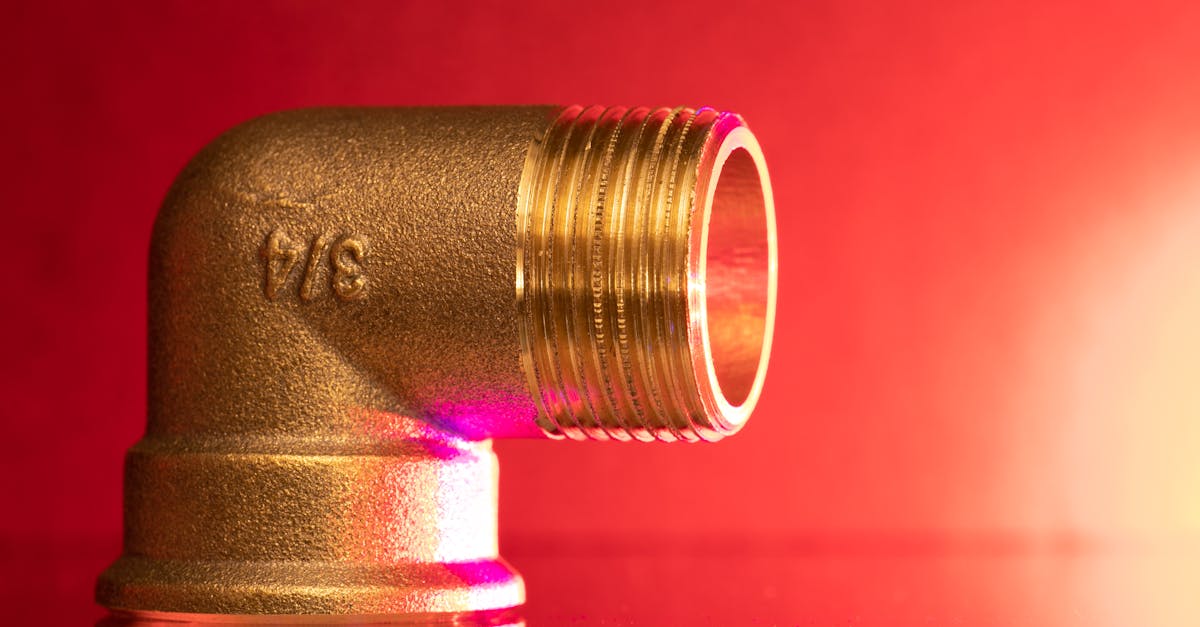 Nic Wood · Pexels
A callback is the most expensive job you’ll ever run: you eat a second trip’s labor and fuel, you push back a paying call, and, worst of all, a customer who was happy is now watching a fitting you touched. In plumbing the stakes are higher than most trades, because a comeback isn’t just an inconvenience: a joint that weeps overnight can mean water damage, a mold claim, or a warranty argument you can’t win. Getting closer to right-the-first-time is one of the highest-return operational fixes available to a plumbing shop, and it’s mostly systems, not talent.
Know your number
Callback rate = comeback jobs ÷ total jobs, tracked per plumber and shop-wide. If you’re not measuring it, start today. You can’t fix what you can’t see, and the number almost always surprises owners. Tie it into the same scoreboard as your other operating metrics (see know your numbers: the plumbing KPIs that matter) so it becomes a coachable metric, not a blame game.
Then put a dollar figure on it. A callback burns a second trip’s labor and fuel, bumps a paying call off the board, and, on a water-related failure, can escalate into a damage claim that dwarfs the original ticket. Rather than trust a made-up industry average, calculate your own: take your fully-loaded hourly cost (wage + burden + truck), multiply by the typical round-trip-plus-rework hours a comeback consumes, and add the paying job you couldn’t run. Most owners land on a number per callback that makes the whole exercise worth it, and that’s before a single water-damage claim.
Where plumbing callbacks actually come from
Most comebacks trace to a handful of causes. Fix them in roughly this order of impact:
- Leaks after the repair. The signature plumbing callback. A joint that wasn’t fully seated, a compression fitting under-tightened (or over-tightened and cracked), a solder joint with a pinhole, a PEX crimp that didn’t gauge, a supply line cross-threaded. It looks dry when you leave and weeps under pressure hours later.
- Improper or mismatched fittings. Wrong material for the pipe, a dielectric union skipped between dissimilar metals, the wrong solvent-weld cement, a push-fit used where it shouldn’t be, or a slip joint where a solvent weld was called for. Works today, fails, or fails inspection, later.
- Code and inspection misses. No accessible cleanout, improper trap arm or venting, missing backflow protection, unsupported pipe, or a water-heater install that misses expansion tank, T&P discharge, or seismic strapping where required. A red-tag is a callback with a government witness.
- Diagnosis that treated the symptom. Cleared the clog but never found the belly or root intrusion; replaced the flapper when the fill valve was the real leak; chased a “mystery” drip to the wrong fixture. The customer is still down and now paid for nothing.
- Communication. No actual defect, the customer didn’t understand what was done, expected water pressure or drainage to behave differently, or wasn’t warned that the old galvanized line upstream is next. A “callback” that was really an expectation gap.
The system that prevents them
Pressure- and leak-test before you pack up. “It’s not dripping” isn’t a test. Restore full pressure, run the fixture through a real cycle, and inspect every joint you touched, dry hand or paper towel on each connection, watch a supply line under load, fill and drain a repaired trap. On repipes and heater swaps, hold system pressure and watch it before you close the wall. The five minutes to verify is far cheaper than the return trip and the drywall.
A completion checklist per job type. The single highest-leverage fix. A short, mandatory QC list the plumber runs before leaving, different for a drain clear, a faucet R&R, a water-heater swap, a repipe. It forces the specific failure points of that job: joints tested, fittings correct and torqued to spec, cleanout accessible, vent and trap right, shutoffs operating, no drips at the meter after. Airlines don’t rely on memory; neither should your best plumber at 6pm on a Friday.
Use the right fitting the first time, and stock it. A large share of “fitting” callbacks are just the correct part not being on the truck, so a “temporary” fix quietly became a comeback. Dial in truck stock so the common fittings, valves, and connectors for your typical work are on board, and standardize which materials and joining methods your shop uses for each situation.
Diagnose to root cause, resist the rush. Most misdiagnosis is a time problem. Charge a proper diagnostic fee (see pricing jobs: flat-rate for plumbers) and give plumbers the minutes to confirm the actual cause: camera the line rather than just cabling it when a clog keeps returning (see drain and sewer camera equipment), isolate which valve or fixture is actually failing, verify under load. A confirmed diagnosis beats a fast one every time.
Know the code before it knows you. Build the local-code requirements for your common jobs, venting, cleanouts, backflow, water-heater install specs, support spacing, right into the job checklists. Code varies by jurisdiction across the US and Canada, so anchor the checklist to your adopted code and inspector expectations, not a generic rule of thumb.
Close the loop with the customer. Before leaving: explain what was wrong, what you did, what to watch for, and how to work any new valve or fixture. Point out the shutoff. Flag the aging galvanized run or the corroded shutoff you didn’t touch today so it’s a future quote, not a surprise callback. A 60-second walkthrough kills the “it’s doing something weird” call that was never a defect.
Make it a culture, not a punishment
- Coach, don’t blame. Review callbacks with the plumber to find the system gap, training, time, parts, or checklist, not to point fingers. Plumbers hide callbacks when they’re punished; they fix them when they’re coached.
- Reward the right behavior. Tie recognition and bonuses to first-time-fix rate and low callback rate: the same service quality that earns five-star reviews, not just to speed or ticket count, which cause callbacks.
- Feed lessons back. A recurring callback type, a specific fitting that keeps weeping, a heater brand that fails inspection, a neighborhood full of root-intruded clay laterals, becomes a training topic and a new checklist line.
Checklist
- Track callback rate per plumber and shop-wide, weekly. Put it on the scoreboard.
- Build a completion/QC checklist for each common job type, mandatory before leaving.
- Pressure- and leak-test every joint you touched under real conditions before packing up.
- Give plumbers time (and a diagnostic fee) to confirm root cause: kill the rush-diagnosis habit.
- Stock the truck with the correct fittings, valves, and connectors for your common work.
- Bake local code requirements into the checklist for jobs that get inspected.
- Explain the work, the shutoff, and what’s next to every customer before you go.
- Review callbacks to fix the system, and reward first-time-fix, not raw speed.
The bottom line
Callbacks are a systems problem wearing a skills-problem costume, and in plumbing, an unaddressed one carries water damage behind it. Measure the rate and put a dollar figure on it, put a completion checklist in every plumber’s hand, leak-test before you leave, give techs the time to diagnose and the fittings to fix it once, build code into the routine, and explain the work to the customer. Coach the misses instead of punishing them, and reward first-time-fix. Drop your callback rate a few points and you’ve recovered real truck capacity, avoided the claims that follow a comeback, and protected the reputation that drives every future job.
General information for plumbing business owners; verify code and licensing requirements for your jurisdiction.
This guide is general information for independent plumbing contractors, not legal or financial advice. Some outbound links may be affiliate or sponsored links, which are disclosed and never affect our recommendations.
Get guides like this weekly
Join The Plumbing Bench Weekly. One useful email a week, free.
Subscribe free